
Reviewed · WINE TOURS IN BORDEAUX
Bordeaux Wine Masterclass: Blending workshop with appetizer
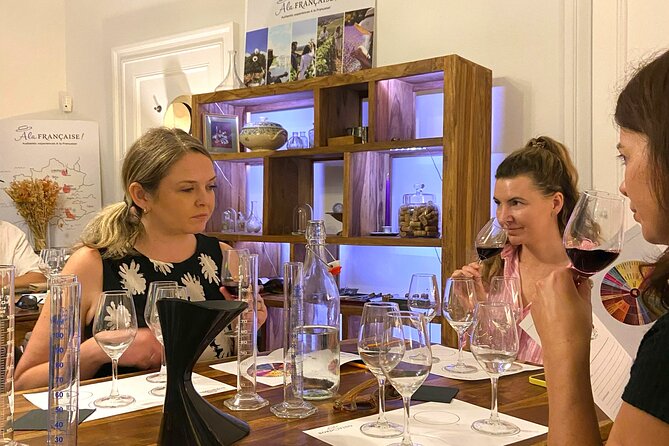
Bordeaux makes wine feel complicated fast. This friendly workshop cuts through the fog with hands-on blending and a guided tasting of French bottles beyond Bordeaux. I like the small maximum of 12 people, and I like that you do more than sip: you learn how to read labels, spot aromas, and mix Merlot with Cabernet Sauvignon. The main catch is that the timing and wine count are described a little differently, so expect roughly 90 minutes to two hours and seven or eight wines.
At $54.42, this is a sensible first step for anyone who wants more than a casual glass at a bar. Guides such as Gabriel, Chloé, Carol, Fabien, Dorian, and Rémi have been praised for making technical ideas clear and relaxed. Still, the appetizer plate is modest rather than a meal, and the focus reaches across France, not only Bordeaux.
In This Review
- Key points before you book
- Why this Bordeaux wine class is worth your morning
- Starting at 10:30 am on Rue d’Enghien
- French regions before Bordeaux takes center stage
- Tasting technique: look, smell, then taste
- The appetizer plate and what it adds
- The Bordeaux blending workshop
- How much wine do you actually taste?
- The teaching style: clear, relaxed, and question-friendly
- Value at $54.42 per person
- Who should book this experience?
- Booking and cancellation details
- FAQ
- Where does the Bordeaux Wine Masterclass begin?
- What time does the class start?
- How long does the experience last?
- How many wines are included?
- Is the workshop offered in English?
- What food is served?
- Can I cancel for a refund?
- Should you book this Bordeaux wine class?
Key points before you book
- You blend Merlot and Cabernet Sauvignon: The final exercise shows how two Bordeaux grapes can change when combined, with a practical comparison of left-bank and right-bank styles.
- Seven or eight French wines are included: The tasting can cover Burgundy, Côtes du Rhône, Bordeaux, and the Loire Valley, giving you a wider view of French wine.
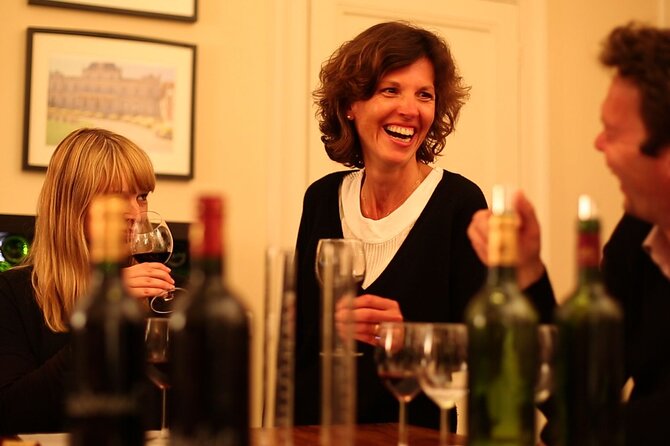
- The class is capped at 12 people: That is small enough for questions and group participation without making the session feel like a private lesson.
- Cheese, cured meat, bread, and chocolate accompany the wine: The food helps explain pairing, though one attendee found the amount limited.
- It begins at 10:30 am at 3 Rue d’Enghien: You return to the same central Bordeaux meeting point after the class.
- You receive a diploma: It is a lighthearted souvenir, not a professional qualification, but it makes a nice reminder of the session.
Why this Bordeaux wine class is worth your morning
I like this experience because it teaches useful skills instead of relying on a parade of glasses. You learn how to describe what you taste, how French regions differ, and why a blend can work better than either grape on its own.
That matters in Bordeaux, where labels and appellations can seem designed to test your patience. A bottle may emphasize its region or appellation rather than the grape variety, so understanding terms such as terroir and appellation helps you shop and order with more confidence later.
The class also avoids a narrow Bordeaux-only approach. You taste wines from several French regions, including Burgundy, Côtes du Rhône, Bordeaux, and the Loire Valley. One person expected only Bordeaux bottles and was surprised by the broader selection, but enjoyed the chance to compare wines from around France.
For a first introduction, that range is useful. You begin to connect place, grape, color, aroma, and flavor instead of treating French wine as one large, mysterious category.
More Wine Tours in Bordeaux
- Bordeaux: Cité du Vin Entry Ticket and Wine Tasting
★ 4.6 · 3,885 reviews - Bordeaux: River Garonne Cruise with Glass of Wine and Canelé
★ 4.5 · 3,630 reviews - From Bordeaux: Afternoon Saint-Emilion Wine Tasting & snack
★ 4.8 · 1,581 reviews
Starting at 10:30 am on Rue d’Enghien
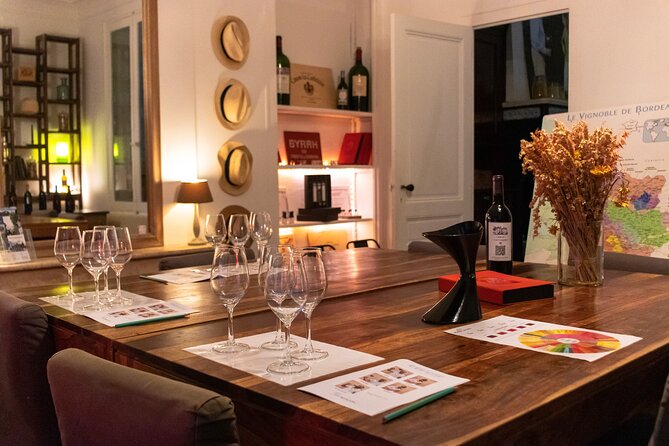
The meeting point is 3 Rue d’Enghien, 33000 Bordeaux, with a 10:30 am start. There is no hotel pickup or drop-off, so plan to reach the address on your own and arrive with enough time to settle in.
Because the activity returns to its starting point, it fits neatly into a morning in central Bordeaux. You can pair it with lunch afterward or use it as an introduction before a vineyard trip. Several people wished they had also booked an afternoon excursion to the wineries, which suggests a practical plan: take the class first, then use what you learn when you visit Saint-Émilion or another wine area.
The small-group limit of 12 is important here. Wine classes can become dull when one person dominates every question or when the instructor has to rush through a large crowd. This format appears designed for participation, with time for questions and group tasting.
The experience is offered in English. French is not included as a tour language, and the minimum drinking age is 18.
French regions before Bordeaux takes center stage
The opening lesson covers French wine regions and the basic vocabulary used to understand them. Your guide explains terms such as terroir, which refers to the combined effect of place and growing conditions, and appellation, the legally defined regional classification system.
You also learn how to decipher a French wine label. That is one of the most useful parts for visitors, since French bottles often assume you already understand the naming system. Instead of simply memorizing grape names, you start reading the bottle as a clue to origin and style.
The regional tasting can include Burgundy, Côtes du Rhône, Bordeaux, and the Loire Valley. The point is not to become an expert in every French region in one sitting. It is to notice broad differences and identify the kinds of wine you prefer.
This section seems especially helpful if you know what you like drinking but struggle to explain why. The guide asks you to pay attention to color, aromas, and flavors, then put those impressions into words. That skill follows you into restaurants and wine shops long after the class ends.
Guides have earned praise for handling questions without turning the session into a lecture. Gabriel was singled out for explaining pairing, wine ratings, and the science behind wine. Fabien was praised for encouraging involvement, while Chloé, Carol, Hugo, Rémi, Dorian, and others were described as friendly, clear, and engaging.
The guide may change, so do not book around one particular person. The consistent theme is an informal teaching style that welcomes beginners while still giving experienced wine drinkers something to think about.
Tasting technique: look, smell, then taste
The tasting portion teaches you how to approach wine in stages. First, you consider the color. Then you work through aromas before tasting and thinking about flavor.
That order may sound basic, but it gives you a way to slow down. Instead of saying only that a wine is good or bad, you can ask whether it seems light or full, fruity or earthy, sharp or smooth. The goal is not to produce fancy tasting notes. The goal is to notice what your palate actually prefers.
A blind-tasting element may also appear during the session. One experienced wine drinker particularly enjoyed the challenge, using it to test assumptions about regional styles. For a beginner, blind tasting can feel less intimidating than expected because there is no wrong answer. You are practicing observation, not taking an exam.
The class also helps explain how wine gains its flavor. You may hear about grape types, winemaking methods, and the relationship between a wine’s character and its origin. One attendee who had visited several wineries found this session unusually thorough in explaining how flavor develops.
The format remains seated, which some people will appreciate after a morning of walking around Bordeaux. It is also a good choice if your group includes mixed experience levels. Beginners can ask basic questions, while experienced drinkers can test their palate and discuss blending.
More Workshops in Bordeaux
- Bordeaux: Introduction to Bordeaux Wines Tasting Workshop
★ 4.8 · 196 reviews - Bordeaux Super Saver Wine Tasting class and St Emilion region
★ 5.0 · 184 reviews - Bordeaux: Guided Bordeaux Wine Tasting Class with 6 Wines
★ 4.9 · 75 reviews - Workshop Bordeaux wine tasting: 4 reds & charcuterie pairing
★ 5.0 · 72 reviews
The appetizer plate and what it adds
Wine arrives with a French appetizer platter featuring cured meats, cheese, fresh bread, and chocolate. This is more than decoration. Food changes how wine tastes, and trying the same wine with different bites gives the pairing lesson a practical edge.
The plate should not be treated as lunch. One person enjoyed the food but felt there was not much of it. If you are hungry, eat beforehand or plan lunch after the session. The tasting includes enough food to support the wine, not replace a meal.
Cheese and cured meat are natural companions for a Bordeaux-focused lesson, while chocolate adds a contrasting finish. The food also keeps the atmosphere social. You are not simply taking notes in silence, you are comparing impressions with the people around you.
That social element works well for couples, friends, and small celebrations. One group used the experience for a hen’s party and found it both educational and fun. It can also suit a milestone trip, especially if you want an activity that feels distinctly French without committing to a full-day vineyard outing.
The Bordeaux blending workshop
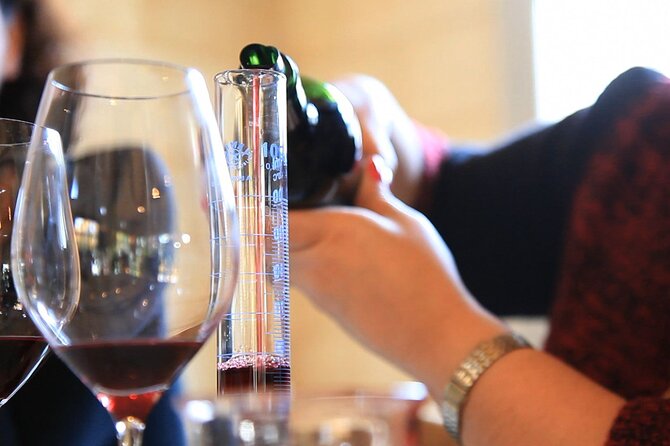
The most memorable part is the custom blend. You work with two grapes associated with Bordeaux, Merlot and Cabernet Sauvignon, and create your own mixture.
This turns an abstract lesson into something you can taste immediately. You see how changing the proportions affects the final wine, and you get a clearer sense of why Bordeaux producers blend rather than relying on one grape alone.
The exercise also helps explain the difference between Bordeaux’s left-bank and right-bank traditions. The supplied information does not promise a technical study of every appellation, so keep your expectations reasonable. This is a short workshop, not a winemaking certification course. Still, the blending task gives you a concrete way to understand structure, balance, and style.
Several people found this the strongest part of the class. One experienced drinker was surprised by how much the blending exercise clarified the contrast between east and west bank wines. Another person said the process helped explain winemaking far better than a standard tasting.
You do not leave with a commercial bottle of your recipe, but you do receive a diploma at the end. Think of it as a fun certificate of participation and a small keepsake from Bordeaux.
How much wine do you actually taste?
The included wine count is stated as seven different wines, while the longer description says you will sample eight. The duration is also listed as approximately 90 minutes in one place and two hours in another.
That difference is worth noting before you book. The safest expectation is a substantial tasting of at least seven French wines over roughly an hour and a half to two hours. Exact pours and timing may vary by session.
This is enough wine to make the class worthwhile, but you should pace yourself. It begins in the morning, and the purpose is tasting rather than drinking quickly. Eat something before arriving, take notes if useful, and use the class to develop your palate.
The activity is best for adults who can legally drink. The minimum age is 18, and no pets are allowed.
The teaching style: clear, relaxed, and question-friendly
The strongest pattern in the feedback is the quality of the instruction. The guides are repeatedly described as friendly, clear, patient, and able to answer questions without losing the group.
That balance matters. Wine education can easily become stiff or full of jargon. Here, the setting is informal, and participation is encouraged. One person with a good existing wine background still learned a great deal, while others left eager to pursue more serious wine study.
Do keep one qualification in mind. The experience is advertised with a professional sommelier guide, but one attendee felt the instructor did not match that exact credential. The teaching itself was still rated well, but if formal sommelier certification is central to your decision, ask the provider for clarification before booking.
The individual guide can shape the mood. Gabriel was praised for depth and care. Vicky and Chloé received warm comments for being friendly and effective. Carol was described as patient, and Hugo was noted for explaining grape types and winemaking clearly. These details suggest a strong team, but the name assigned to your session is not guaranteed.
Value at $54.42 per person
At $54.42, I consider this a fair price for Bordeaux, especially when you count the wine, appetizer platter, guide, and hands-on blending activity. You are paying for instruction as much as for the pours.
A standard bar tasting might give you several samples, but it probably will not teach you how to interpret a French label, compare four major regions, test aromas, and build a Bordeaux blend. A vineyard excursion can offer more scenery and production detail, but usually costs more and takes much longer.
This class earns its price best when you actively take part. If you only want to drink wine, you can find cheaper options. If you want a compact lesson that improves your ability to choose and describe French wine, the value is stronger.
The appetizer platter adds comfort, but not enough to justify treating the class as a meal. Factor in a separate lunch, along with your own transport to and from Rue d’Enghien.
Who should book this experience?
I would recommend it to:
- First-time French wine drinkers who want a clear starting point
- Couples looking for a relaxed Bordeaux activity
- Experienced wine fans who enjoy blind tasting and blending
- Friends planning a celebration or hen’s party
- People visiting vineyards later who want useful background first
- Anyone curious about French labels and regional classifications
I would be less enthusiastic if you want a full vineyard visit, cellar tour, or a class devoted only to Bordeaux. The tasting covers several French regions, and the workshop takes place at the meeting point rather than among the vines.
It is also not the right pick if you need a full meal, French-language instruction, or hotel transport. The experience is compact, seated, and educational.
Booking and cancellation details
The activity is often booked about 29 days ahead, so I would reserve early during a busy Bordeaux visit. Confirmation arrives at booking, and the small maximum of 12 people can make popular dates fill.
You can cancel for a full refund up to 24 hours before the local start time. Cancellations or changes inside that window are not refunded or accepted. If the provider cancels because the minimum number is not reached, you are offered another date or experience, or a full refund.
FAQ
Where does the Bordeaux Wine Masterclass begin?
It begins at 3 Rue d’Enghien, 33000 Bordeaux, France.
What time does the class start?
The stated start time is 10:30 am.
How long does the experience last?
The duration is listed as approximately one hour and 30 minutes, while the detailed description refers to a two-hour workshop. Plan for roughly 90 minutes to two hours.
How many wines are included?
The included features list seven different wines. The detailed description says you will taste eight, so expect at least seven wines.
Is the workshop offered in English?
Yes. English is offered, and French language instruction is not included.
What food is served?
You receive a French appetizer platter with cheese, cured meat, fresh bread, and chocolate.
Can I cancel for a refund?
Yes. You can cancel at least 24 hours before the local start time for a full refund. Cancellations made less than 24 hours ahead are not refunded.
Should you book this Bordeaux wine class?
Yes, if you want a short, practical introduction to French wine rather than a day in the vineyards. The blending exercise is the real reason to choose it. It gives you something active to do and makes Bordeaux’s grape combinations easier to understand.
Book it early if your dates are fixed, arrive ready to participate, and plan lunch afterward. If you prefer a wine-only Bordeaux focus or want vineyard views, choose a winery excursion instead. For most visitors, though, this class is a smart way to get your bearings before ordering the next bottle.
Recently added around Bordeaux
- The essential in Bordeaux, private tour with a local★ 4.9 · 48 reviews
- Sarlat Gourmet Tour and Market Visit★ 5.0 · 49 reviews
- Full Day Tour Saint Emilion with lunch two Chateaux and Village★ 5.0 · 49 reviews
- Bordeaux: Exclusive Private Guided Walking Tour★ 4.6 · 50 reviews
- Bordeaux:Wine Masterclass & Blending workshop with appetizer★ 4.8 · 54 reviews
- Full-day Saint-Emilion: Village, Undergrounds and Châteaux★ 4.5 · 55 reviews
- From Bordeaux: Essential Morning Tour with Wine Tasting★ 4.8 · 55 reviews
- Bordeaux Old Town & Market Local Food with Wine Tastings Tour★ 4.0 · 56 reviews
Wine Tours in Bordeaux, compared.
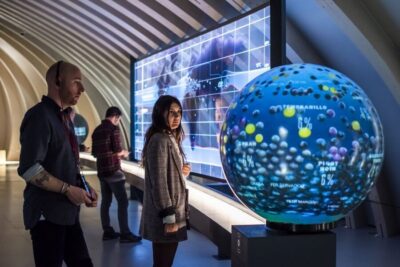
Bordeaux: Cité du Vin Entry Ticket and Wine Tasting
Read our review →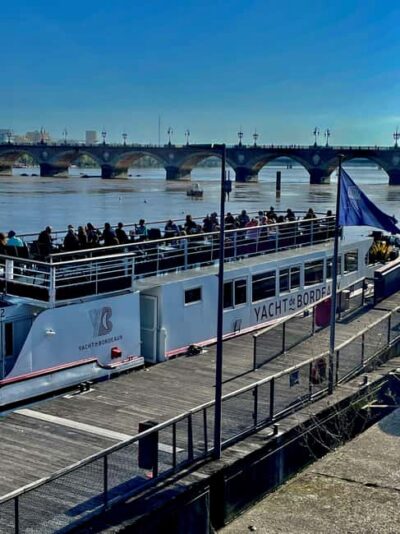
Bordeaux: River Garonne Cruise with Glass of Wine and Canelé
Read our review →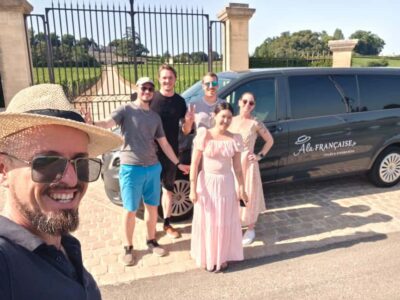
From Bordeaux: Afternoon Saint-Emilion Wine Tasting & snack
Read our review →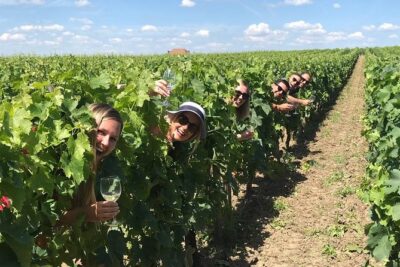
Medoc or Saint Emilion Wine Tasting and Chateau from Bordeaux
Read our review →
Saint Emilion Day Trip with Sightseeing Tour & Wine Tastings from Bordeaux
Read our review →
Saint-Émilion: Grand Cru Classé Winery Visit and Tasting
Read our review →
Saint Emilion Half-Day Trip with Wine Tasting & Winery Visit from Bordeaux
Read our review →
From Bordeaux: St. Emilion Village Half-Day Wine Tour
Read our review →Browse the lists this tour appears in